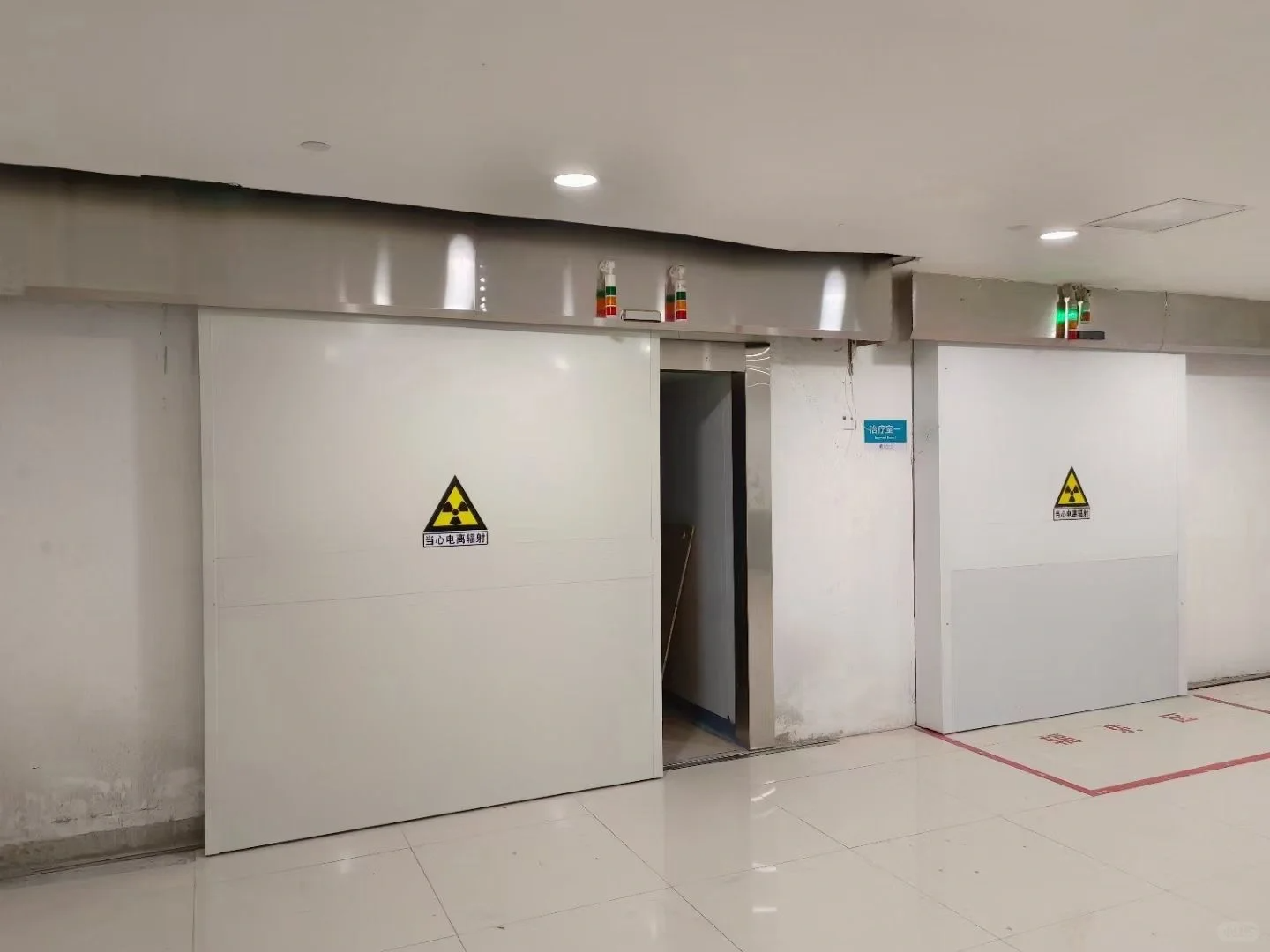
In modern medical architecture, critical zones such as operating rooms, Intensive Care Units (ICUs), laboratories, and radiology departments are the frontline of saving lives. These areas have strict requirements for environmental cleanliness, temperature, humidity, and pressure control. Ensuring these high standards involves a component that is often overlooked yet vital: the airtight door.
Today, let’s explore the core functions, technical advantages, and irreplaceable role of medical airtight doors in modern medical engineering.
I. What is an Airtight Door?
An airtight door is a specialized door engineered with superior sealing performance. Unlike standard doors in commercial buildings, medical airtight doors must not only accommodate efficient daily traffic, but also perform their primary task: effectively blocking airflow between spaces when in the closed position.
Through special structural designs, high-density sealing gaskets, and intelligent drive systems, airtight doors instantly achieve a tight seal between the door panel, frame, and floor upon closing. This prevents indoor and outdoor air exchange, ensuring pressure balance and sterile conditions within clean spaces.
II. Core Functions and Advantages
1. Superior Sealing and Cleanliness Assurance
Operating rooms and sterile laboratories are highly vulnerable to bacterial and dust infiltration. Airtight doors typically utilize high-molecular wear-resistant sealing gaskets combined with a unique pressing design (moving forward, downward, and inward upon closing) to form a comprehensive perimeter seal. This effectively blocks microscopic particles and microorganisms, ensuring indoor cleanliness meets strict standards (such as Class 100 or Class 10,000 cleanroom requirements).
2. Precise Differential Pressure Control
Maintaining stable room differential pressure is crucial in negative pressure isolation wards or positive pressure operating rooms to prevent virus spread or external contamination. The exceptional airtight performance eliminates air leakage through door gaps, helping HVAC systems precisely maintain designed pressure differentials to protect medical staff and prevent hospital-acquired cross-infections.
3. Intelligent and User-Friendly Operation
To meet the high-efficiency and sanitary demands of medical environments, airtight doors typically feature multiple non-contact opening methods:
-
Sensor Switches: Hand-touch, foot-sensor, or microwave radar sensors allow medical staff to operate doors hands-free, preventing secondary contamination.
-
Anti-Pinch Safety Feature: Built-in infrared safety light curtains or microwave anti-pinch devices automatically reverse the door if an obstacle or person is detected during closing, protecting personnel and equipment.
-
Manual/Electric Switching: In case of a power outage or emergency, doors can be easily pushed open manually to ensure unobstructed evacuation routes.
4. Noise Reduction and Quiet Experience
Hospitals require a quiet environment for recovery and work. Premium airtight doors feature door panels filled with sound-absorbing materials (such as rock wool or aluminum honeycomb), paired with silent tracks and tight seals to significantly reduce noise and provide a comfortable, quiet environment for patients.
III. Primary Application Scenarios
Due to their exceptional performance, airtight doors are widely used in environments with extreme cleanliness requirements:
-
Operating Rooms: Prevent external bacterial intrusion and maintain a high standard sterile, dust-free environment.
-
Intensive Care Units (ICU / CCU): Protect immunocompromised critically ill patients while isolating potential respiratory infection sources.
-
Negative Pressure Isolation Wards: Prevent virus-laden air from leaking out of the ward, protecting medical staff and the external environment.
-
Biological Laboratories and Pharmaceutical Workshops: Prevent cross-contamination to ensure accurate experimental results and pharmaceutical purity.
-
Radiology / Radiation Protection Areas: Certain airtight doors integrate radiation protection features (such as built-in lead sheets) to meet both airtightness and radiation shielding requirements.
IV. Conclusion
Although airtight doors represent just one component of hospital infrastructure and cleanroom engineering, they safeguard the baseline security of the entire medical workflow. From precision sealing structures to intelligent control systems, every high-quality airtight door silently protects the health and safety of both medical staff and patients.
As medical technology advances and building standards rise, selecting airtight door systems with superior materials, mature craftsmanship, and reliable sealing serves as a solid foundation for building modern, high-standard medical purification spaces.
Comments are closed